CO₂ stream qualification
Flow profile, composition, contaminants, pressure, temperature and operating continuity define the real process boundary.
- Composition
- Variability
- Interfaces

Carbonation-as-a-Service
Early-stage venture · Business planning & feasibility
We are developing a mineral carbonation service that connects captured CO₂, suitable mineral feedstocks and process engineering. From feasibility to a future industrial pilot.
From captured CO₂ to traceable mineral products
Source & input conditions
Controlled modular reaction
Permanent solid form
Traceable material output
Industrial decarbonization, engineered
P9 Engineering is developing modular mineral carbonation systems for industrial emitters. The goal is straightforward: connect captured CO₂, compatible mineral feedstocks and process engineering in one accountable industrial service.
More than equipment
P9 is conceived as the accountable link between the emitter, the carbonation process, the mineral supply chain and the destination of the resulting material. The system is designed for installation at or close to the CO₂ source, reducing unnecessary transport and keeping the industrial interfaces under direct control.
The differentiator is not a claim to proprietary chemistry. It is the ability to combine process engineering, modular equipment, operation, monitoring and local output valorization in one coherent model that can be replicated after technical validation.
Not a consulting report
Not a standalone machine
Not CO₂ transport alone
The technology
The intended process connects a qualified CO₂ stream with compatible minerals. Its configuration will follow feedstock testing and site-specific engineering.
Composition, flow and conditioning to be qualified.
Reactivity, availability and suitability to be tested.
Reaction conditions and material balance to be validated.
Composition, properties and destination to be assessed.
Solid mineral formEngineering basis
Mineral carbonation is chemically established. Industrial viability depends on how the real streams, reaction conditions and material destination fit together.
Flow profile, composition, contaminants, pressure, temperature and operating continuity define the real process boundary.
Chemical composition, reactivity, particle size, availability and logistics determine whether a local material is technically suitable.
Mass transfer, mixing, residence time, conditioning and utilities are configured around the selected CO₂ and mineral streams.
Mass balance, carbonate content, physical properties and intended destination form the evidence chain for the resulting material.
Application fit
P9 does not treat every emitter as an identical opportunity. A credible project starts by checking the physical streams, the site and the output pathway.
Priority application
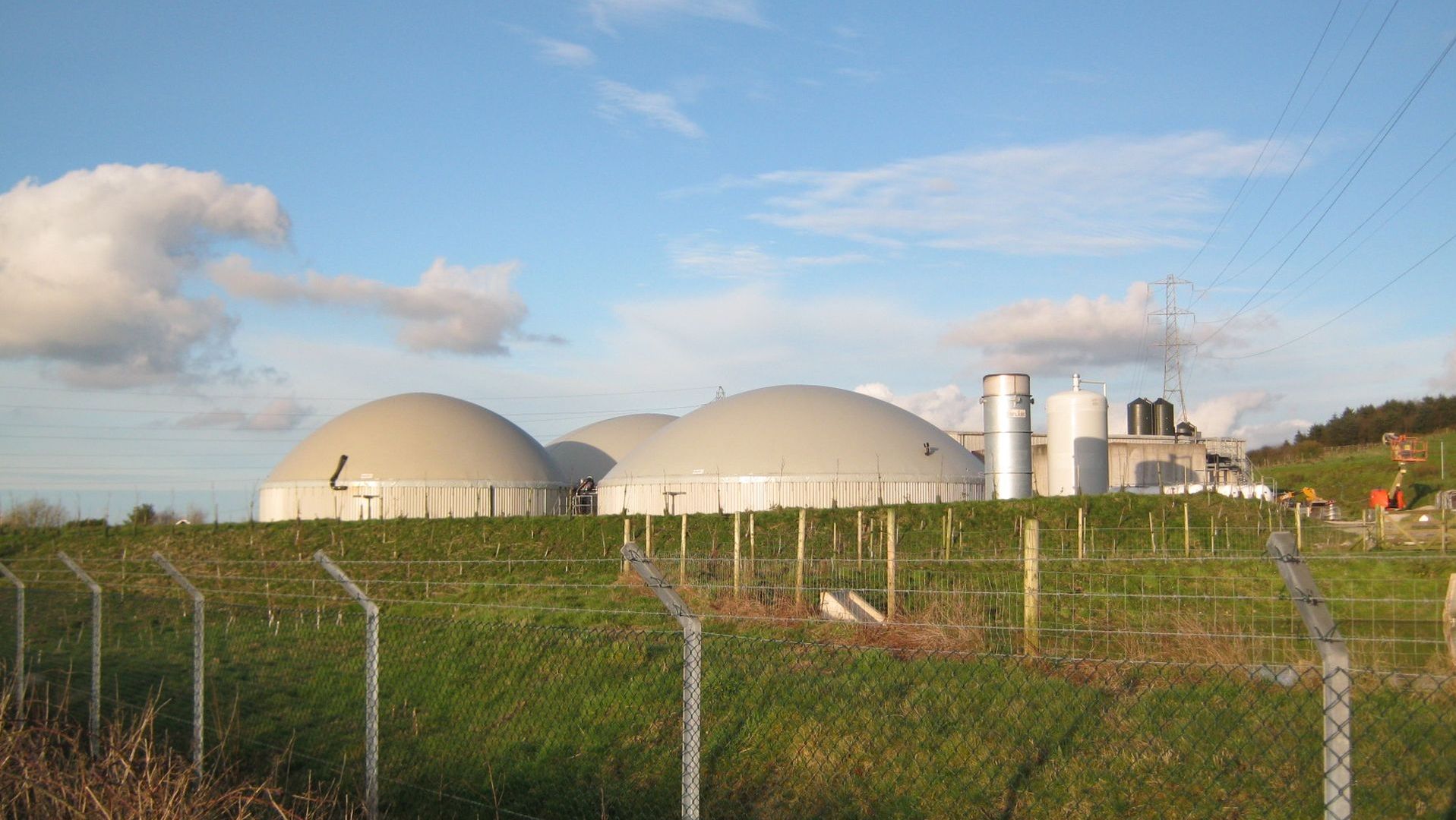
Upgrading already separates a CO₂-rich stream from biomethane. This removes one major process boundary and makes the site a more rational starting point for mineral carbonation than a conventional biogas plant without separation.
Five screening conditions
A concentrated stream is available or can be integrated downstream of an existing separation stage.
Flow and composition are sufficiently stable to support continuous or scheduled industrial operation.
Reactive natural minerals or suitable alkaline residues can be qualified within a practical supply radius.
Utilities, footprint, storage and material-handling constraints can be incorporated into the site.
The carbonated material has a technically and commercially credible destination to be validated.
A raw biogas stream is not equivalent to an upgrading off-gas. If CO₂ separation is not already present, it becomes an additional process stage that must be engineered and evaluated.
The service model
One technical partner across design, deployment and operating performance — structured around the industrial site, not around a standalone machine.
Start a technical discussion ↗Characterization of the CO₂ stream, mineral feedstock, utilities, interfaces and operating objectives.
Testing of the mineral candidate, definition of the operating window and closure of the preliminary material balance.
Configuration, fabrication and commissioning of the reaction system within the existing industrial environment.
Operational support, process data, maintenance coordination and development of the evidence and destination path for the carbonated material.
Integrated responsibility
Process definition, equipment configuration, interfaces and commissioning.
Monitoring logic, maintenance coordination and operating support.
Feedstock qualification, logistics and controlled handling.
Output characterization and development of a credible commercial destination.
Designed impact
The intended environmental benefit must be assessed through chemistry, material and energy balances, and a qualified destination for the output.
CO₂ is converted into stable carbonate compounds through a controlled mineral reaction.
Process data, material balance and output characterization are built into the verification path.
Standardized process units are configured around the emitter, feedstock and required capacity.
Conceptual illustrations · Chemistry / Verification / Architecture
Quantified CO₂ and mineral streams establish the starting point for the material balance.
Recorded process conditions connect the result to a defined and repeatable operating window.
Carbonate content and physical properties support technical qualification of the solid output.
Batch records and destination evidence complete the chain from captured carbon to final use.
Pilot before scale
P9 is currently in the business-plan phase. The steps below describe the proposed development path: laboratory testing, pilot operation and industrial deployment have yet to be demonstrated.
Current stage / business planning and feasibility
Define the CO₂ source, mineral candidate, utilities, site constraints and intended output route.
Characterize the materials and validate reaction behaviour under controlled conditions.
Close the mass balance, select the process configuration and define the integration package.
Demonstrate continuity, operability, material quality and the monitoring framework on a real site.
Replicate the validated architecture with site-specific capacity and interfaces.
Stable operation, effective material conversion, realistic utility demand, safe solids handling, repeatable output properties and a defensible monitoring method.
Technical questions
A serious decarbonization project starts by being explicit about what is known, what depends on the site and what still has to be validated.
No. The intended model is a managed industrial service. P9 defines and integrates the process, supports operation and maintenance, coordinates the material chain and structures the output valorization route. The equipment is one part of that service, not the entire proposition.
No. The initial focus is on biomethane upgrading plants where a CO₂-rich stream is already separated. A conventional biogas plant would require an additional separation stage, changing both the technical boundary and the economics.
Carbon dioxide reacts with calcium- or magnesium-bearing materials to form stable carbonate compounds. The carbon is stored in a solid mineral form rather than kept as a compressed gas.
The specific feedstock reactivity, continuous operating window, utility demand, material handling, output properties and destination must all be validated for the actual site. P9 therefore uses technical gates rather than assuming that one configuration fits every emitter.
The first development phase is focused on small and medium industrial emitters in Northern Italy, where shorter material chains can support both practical logistics and local circular-economy partnerships.
Start with the engineering
Bring the process data. We’ll start by defining the technical boundary conditions for a potential pilot.
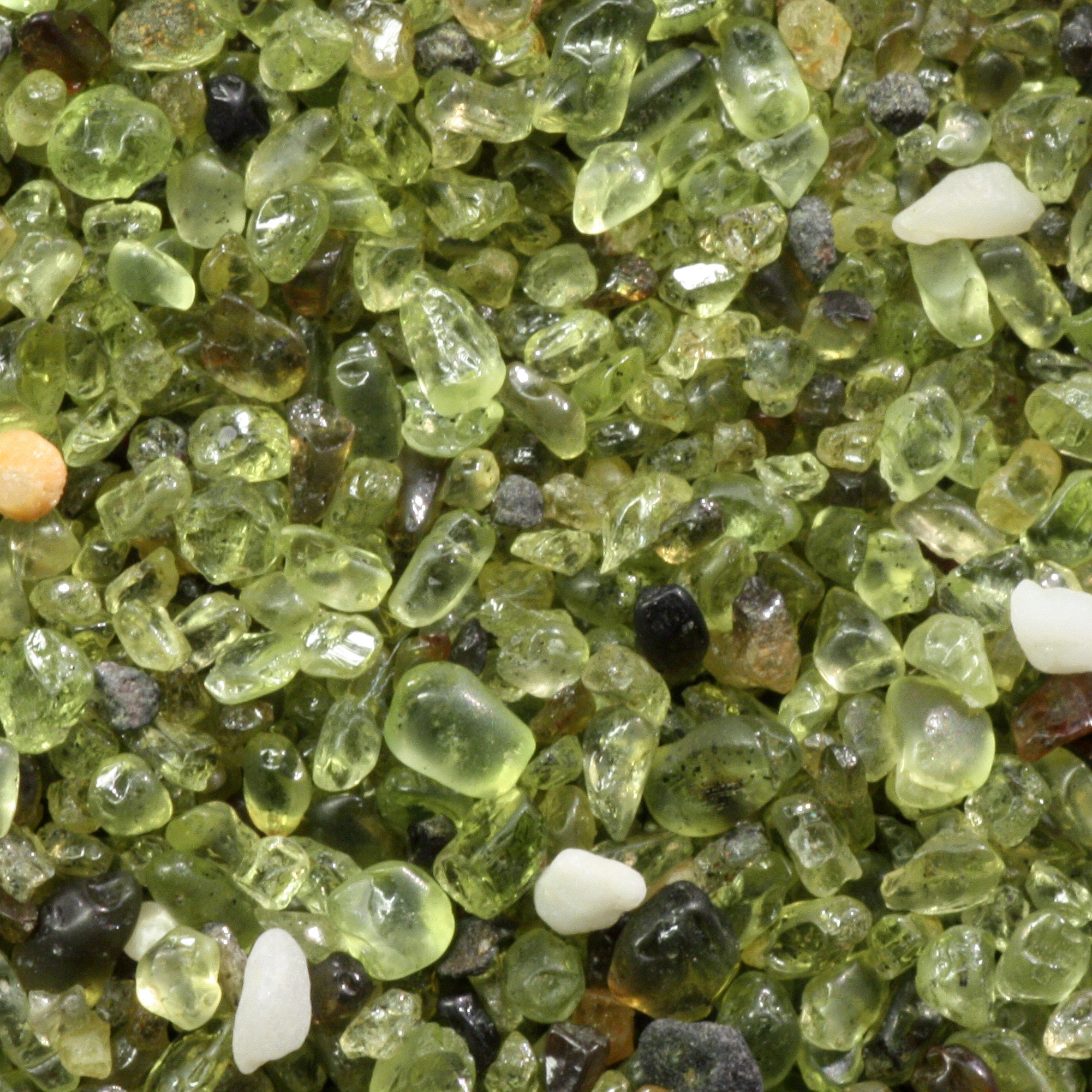
Real reference photographs, reproduced without AI generation or retouching. They do not show P9 facilities, selected feedstocks or validated products.

